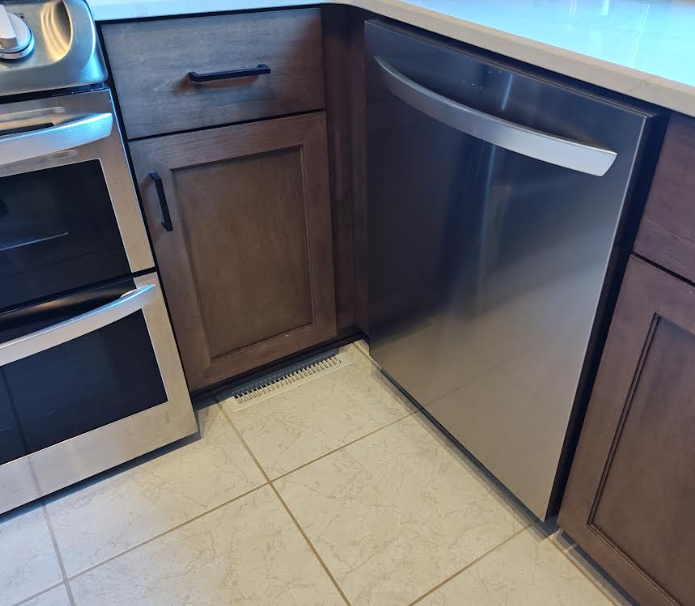
GFCI requirements for dishwashers changed in 2023. In this post, I break down what NEC 210.8(D) means for inspectors, electricians, and homeowners.
2023 brought a wave of code changes for kitchen appliances. Few have caused as much confusion—or failed as many final inspections—as the new GFCI rules for dishwashers. So let’s break it down, field-style, and settle the “Do I really need GFCI on my dishwasher?” debate once and for all.
Why Are So Many Failing Inspections?
The short answer: GFCI requirements for dishwashers changed, but habits haven’t.
Many electricians and DIYers still wire dishwashers “the old way.” Inspectors are seeing failed finals not just for dishwashers, but also for other kitchen and utility appliances. It’s not just about the kitchen countertop anymore—now, GFCI extends into hardwired territory.
FAQ: “Do All Dishwashers Need GFCI?”
Real Question from the Field: “Do dishwashers require GFCI protection”
This was a question I recently received on my YouTube channel about GFCI requirements for dishwashers, and here’s the straight answer—no code-speak, just field clarity:
- Dishwasher cord-and-plug? YES.
- Dishwasher hardwired? YES.
- Dishwasher in any location in a dwelling? YES.
Quick note on why some inspectors cite 422.5(A) for dishwashers:
I point to 422.5(A) because it lives in Article 422 (Appliances) and makes dishwasher GFCI protection crystal clear—no matter how it’s supplied.
In the 2023 code, NEC 210.8(D) also now specifically lists “dishwashers.” So, dishwashers are covered in two spots. I provide contractors both NEC sections 422.5(A) for dishwashers because it’s the appliance-specific mandate, and 210.8(D) while its the “broad list” but includes them too. Either citation gets you to the same place:
Bottom line: If your inspector quotes 210.8(D), 422.5(A), or even the dishwasher manufacturer—they’re all correct. The code says protect it, no matter what.
Why the Change?
- Field failures: Dishwashers are among the most water-prone appliances
- Shock history: Multiple incidents of user shock or near-miss, even in newer homes
- Unified safety: The code now follows the “If it can leak, it needs GFCI” principle.
Which Appliances Are Covered by NEC 210.8(D) (2023)?
Here’s the current list (2023 NEC):
- Automotive vacuum machines
- Beverage dispensers
- Bottle fill stations
- Clothes washers
- Dishwashers
- Drain pumps
- Garbage disposals
- High-pressure spray washers
- Ice machines
- Sump pumps
- Tire inflation machines
- Vending machines
Always check with your local AHJ—some jurisdictions are still on 2020, but nearly all are now enforcing this for new work.
Want to see how GFCI requirements for dishwashers fit into the bigger code picture? Check out my post: GFCI Protection: NEC 210.8 Explained for Pros—your pro-level resource for passing every inspection.
Don’t Fail Your Final! Here’s What I Look For:
- GFCI protection must be provided at the outlet.
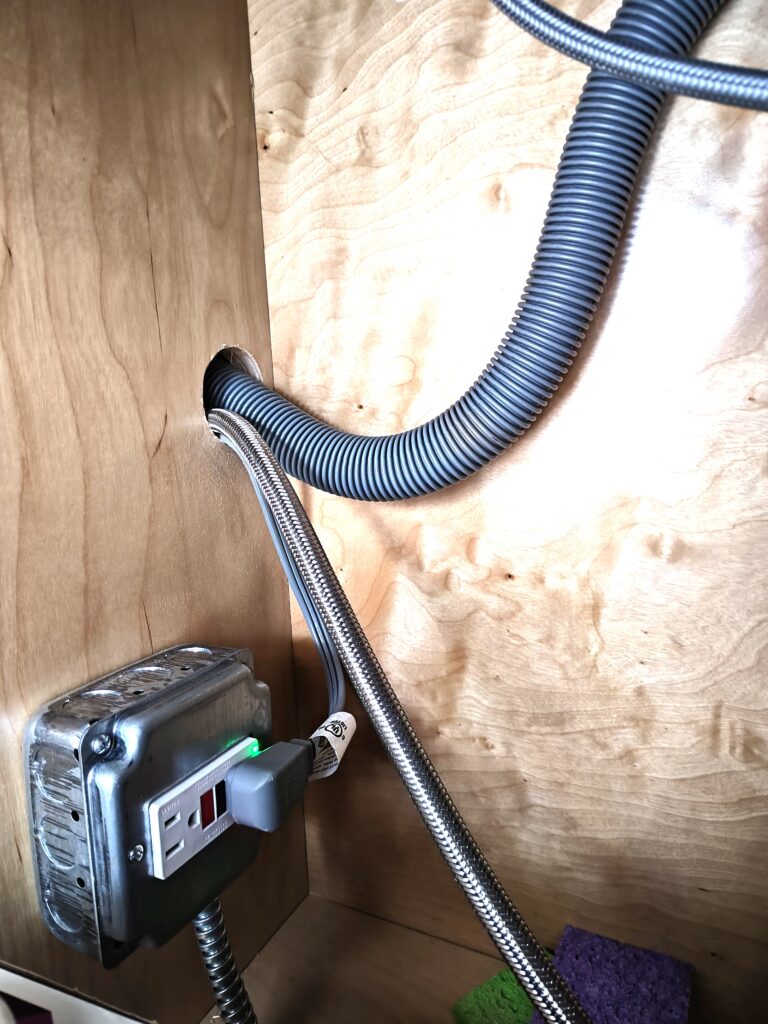
- GFCI must be readily accessible for testing and reset. (Hidden under the sink? If you can’t get to it easily, you can’t call it accessible.)
- Test the install: I always use a GFCI tester on any load-off or breaker.
- Correct wiring: Cord-and-plug or hardwired—GFCI protection still applies, and always follow all manufacturer’s instructions.
Still Not Sure? Want to Pass Your Inspection the First Time?
You don’t need to sweat the red tag—get the full field guide.
- Easy checklists
- Step-by-step diagrams
- NEC code breakdowns
- Inspector-approved install tips
Grab my guide to Avoid Red Tags and Pass Your Inspection The First Time: Pass the Inspection: GFCI & AFCI Code Requirements
Watch the Full Video for More Tips
Want all the details, requirements, and code examples?
Check out my full video:
GFCI Code Explained: How to Pass Your Electrical Inspection (NEC 210.8 Requirements)