If you’ve ever wondered how to read residential electrical plans for NEC code compliance—this guide breaks it down step-by-step.
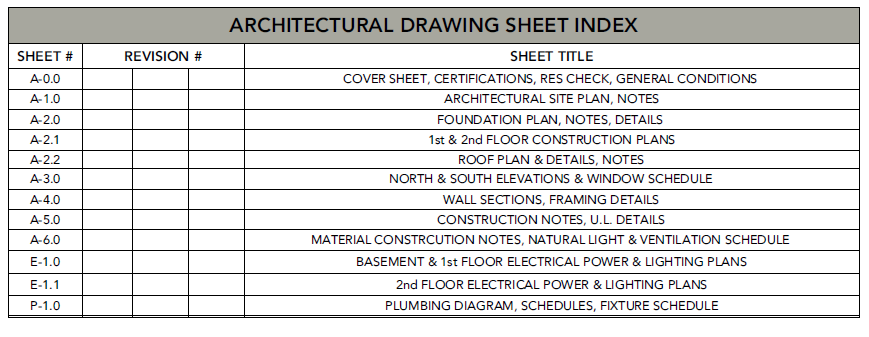
Before diving into electrical circuits and symbols, make sure you understand the architectural cover sheet first—it’s the foundation for the entire set. Here’s How To Read It.
Reading residential electrical plans isn’t just about spotting where the outlets and lights go. It’s about understanding how the layout reflects current NEC code requirements, what the inspector’s actually going to be looking for, and more importantly—what might earn you a red tag if you miss it.
Whether you’re a seasoned electrician, GC, or a serious DIYer looking to stay code-compliant, this breakdown will walk you through how to read a real plan sheet (E-1.0), interpret the panel schedule, and apply applicable 2023 NEC codes — or current jurisdiction adopted codes.
Electrical Plan Basics: What Are You Looking At?
You’re looking at sheet E-1.0 from an actual permit set. This includes:
- Basement and 1st Floor Power and Lighting Layout
- Symbol legend and tags like GFI, 15A, 20A, smoke detectors, lights, switches, and circuits
- Electrical Panel Schedule (200A 120/240V single-phase service)

You’ll notice switch labels like S, S3, and S4 on electrical plans—these stand for single-pole, three-way, and four-way switches, respectively. These switch symbols often have an arc that points toward a lighting fixture, showing control direction. Alongside switches, you’ll also see receptacles and lighting devices labeled with details like amperage, GFCI/GFI/GFCI protection, or special-purpose designations—such as sump pump, ejector pit, or garage opener.
These aren’t just symbols—they’re inspection-critical components that must align with NEC code requirements and the intended function of each space.
Don’t just look at the pretty arcs connecting switches — verify that those switches and lighting outlets are located where required by code. According to NEC 210.70(A), lighting outlets must be installed in habitable rooms, stairways, hallways, and exterior entrances. Make sure switch types (S, S3, S4) align with those requirements and that GFCI/AFCI protection is provided per NEC 210.8 and 210.12. Also confirm the circuits shown match what’s on the panel schedule. Miss that, and you’re one step closer to a red tag.
Panel Schedule 101: What the Inspector Checks

Knowing how to read residential electrical plans makes you better prepared for inspections…
The panel schedule on this plan shows:
- Two columns (A phase and B phase)
- Breakers identified by room or use
- Load in watts
- Type of protection (Arc-Fault, GFCI, etc.)
- Total connected load: 24,550W ÷ 240V = ~102A demand – (Note the numbers aren’t accurate)
What You’re Also Seeing:
This panel schedule lists circuit wattages for each breaker and gives a total at the bottom – (Note the numbers aren’t accurate). It’s a useful guide for organizing branch circuits, considering balancing, and panel layout—but it is NOT a code-compliant service load calculation.
It also indicates:
- Dedicated circuits for appliances (microwave, fridge, ejector).
- Sump pump and ejector each have 15A dedicated lines.
- Lighting and receptacle circuits, but they must have correct AFCI/GFCI protection per code (see below).
- No mini-breakers allowed.
NEC Comparison: 2008 vs 2023 — What’s Changed?
The adopted NEC at the time of this plan set’s approval was the 2008 NEC.
Here’s how some key requirements compare to the 2023 NEC:
- 2008 NEC:
- GFCI required for kitchens, bathrooms, garages, unfinished basements (NEC 210.8)
- AFCI required in bedrooms only (NEC 210.12)
- Tamper-resistant receptacles required in dwelling units (NEC 406.11)
- No GFCI required for laundry areas
- GFCI expanded to include laundry rooms, 125V and 250V outlets in more areas (NEC 210.8(A))
- AFCI now required in kitchens, laundry, family, dining, and more (NEC 210.12(A))
- Outdoor receptacles serving HVAC equipment may now require GFCI (NEC 210.8(F))
- Surge protection (SPD Type 1 or 2) now required for dwelling unit services (NEC 230.67)
- 2023 NEC:
- GFCI expanded to include laundry rooms, 125V and 250V outlets in more areas (NEC 210.8(A))
- AFCI now required in kitchens, laundry, family, dining, and more (NEC 210.12(A))
- Outdoor receptacles serving HVAC equipment may now require GFCI (NEC 210.8(F))
- Surge protection (SPD Type 1 or 2) now required for dwelling unit services (NEC 230.67)
Bottom Line: Contractors used to working off older adopted codes need to verify whether local jurisdictions have adopted newer NEC editions, and adjust AFCI/GFCI installs accordingly — especially when pulling new permits or revising panel circuits.
Interpreting the Plan Layout
Here’s how I recommend reading the actual E-1.0 floor plan:
- Arc lines = switch legs to lighting fixtures (arcs between switches and lights)
- Receptacles marked 15A or 20A, often with GFI/GFCI labels
- Identify Switch types like “3w” = 3-way switches
- Panel Location is top-left in the basement plan
- Receptacles placed at required spacing in all habitable areas per NEC 210.52(A)

Watch the Full Walkthrough:
Prefer to learn visually?
Check out my in-depth YouTube video, where I break down a real residential electrical plan, walk through cover sheets, detail symbols, switches, appliance circuits, and code traps—all in under 10 minutes.
Ready for Inspection? Avoid Common Mistakes
If you want a full breakdown of what inspectors look for — plus a code cheat sheet and walkthrough, grab my book:
🔗 Pass the Inspection: GFCI & AFCI Field Guide